 Nov
NovThe beach changes; the legal interest is индивидуально для проекта
Beachfront property in Asia: the coast outside high season
Quick — 10-second read
- In short
- A sea-view premium is not automatically an investment premium: seasonality, humidity, upkeep and resale depth vary sharply between resort markets.
- Who it matters to
- For buyers considering resort property for personal use, rental income or a mix of both.
- Next step
- Compare year-round demand, maintenance costs, climate exposure and actual resale activity in the specific location.
This is a guide, not legal, tax or investment advice.
Compare current project options
Prices are starting-market indications; confirm the final unit, availability and payment plan before a decision.
 Thailand
The Breeze Beach Side
 Thailand
Elegance @ Cosy Beach
 Thailand
Grand View Condo Pattaya
 Thailand
De Amber Condo
 Thailand
The Riviera Wongamat
 Thailand
Jomtien Plaza Condotel
See the location in rain, wind and low season, then verify shoreline access, tenure, short-stay permission and the marine-maintenance budget.
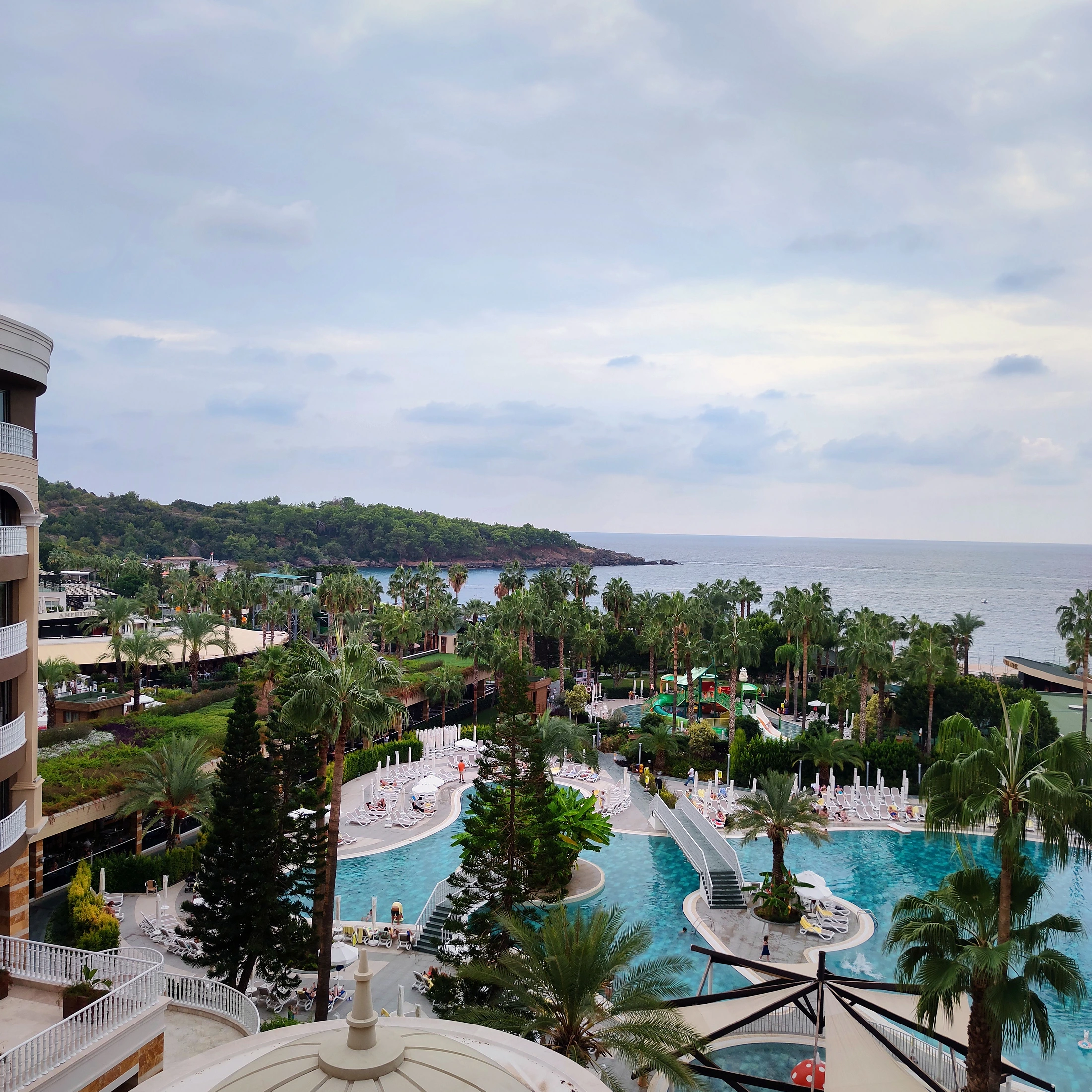
The coast on an ordinary day
At breakfast the water is flat and the first-line premium feels self-explanatory. By late afternoon, rain collects at the entrance, salt is visible on the railings and the route to the beach crosses land outside the resort title. That ordinary wet day is more informative than the sunset.
Asian coasts are not one asset class. Phuket is not Pattaya; urban Da Nang is not island-led Phu Quoc; Penang is not Langkawi; Sihanoukville is not Kep. Some locations have a city underneath the holiday market. Others rely on a short tourism window.
The premium is defensible where access and view are durable, the foreign buyer's right is clear, the building is designed for the climate and resale demand extends beyond another overseas dream buyer. Everything else needs a seasonal, legal and technical test.
There is nothing irrational about wanting a home beside the sea. The mistake is to force that personal value into an investment pitch. A buyer who plans to occupy Christmas, school holidays or the dry season is using the most valuable inventory, and the rental model should show that honestly.
A lifestyle home should be tested as a place to live: groceries, healthcare, road access, noise, humidity, power and the cost of an empty month. An income asset should be tested as an accommodation business: lawful use, achieved rates, distribution, staffing, maintenance and owner cash after every deduction.
The word beachfront also needs unpacking. It may describe direct shoreline frontage, a building across a public road, a side view or a resort with access through another parcel. A protected view and permanent beach route are legal and planning outcomes, not photographic angles.
A careful process does not diminish the appeal of the coast. It makes the purchase more likely to remain enjoyable after the first storm, the first special levy and the first low-season owner statement.
The sea as an asset: emotion versus arithmetic
Coastal property commands a premium for several reasons at once: limited developable land, visitor demand, lifestyle appeal and the practical convenience of reaching the water. Yet those drivers do not attach equally to every unit marketed as beachfront. Direct frontage, a second-line apartment with a permanent path and a villa behind an undeveloped parcel are different assets.
What the buyer is really acquiring is a bundle. It includes the unit or building, the registered legal interest, the route to the shore, the current view and the services that make the address usable. The weakest part of that bundle can undermine the rest: a beautiful villa without lawful access, or a premium apartment in a building that cannot fund its façade.
Seasonal demand is both an attraction and a source of modelling error. A high nightly rate during a holiday fortnight can be genuine and still produce an ordinary annual return. Low-season discounts, closures, weather disruption, owner use and maintenance downtime all belong in the same twelve-month calendar.
For a personal retreat, the return is not purely financial. The owner gains continuity, storage, privacy and the ability to shape the home. Those benefits can justify a purchase, but they should be labelled lifestyle consumption rather than hidden inside an optimistic yield. That clarity prevents disappointment when prime weeks are blocked for family use.
For an investment-only asset, different features may matter. A robust road, legal short-stay use, efficient floor plan and professional manager can be more valuable than an extra bedroom designed for the owner's occasional visit. The downside case should assume weaker occupancy, a significant repair and no exceptional peak rate.
Hybrid use is possible, but it needs a rule. Decide how many nights the owner can reserve, which dates are excluded and whether the property still works when those dates are removed from inventory. Without that rule, the same peak season is counted twice: once as personal enjoyment and once as rental income.
The strongest coastal purchase is not always the closest to the tide line. A well-run second-line building with permanent access, lower exposure and a broad resident market may preserve value better than a fragile first-line scheme sold mainly to other investors.
Decisions to make before choosing a country
- Choose the primary role first: lifestyle home, income property or a hybrid with an explicit owner-use calendar.
- Pay a coastal premium only after parcel boundaries, shoreline access and the development risk in front of the property are documented.
- Model twelve individual months rather than multiplying a peak rate by the year.
- A foreign buyer will often have a clearer route to a condominium than to villa land; marketing labels do not replace registry evidence.
- Salt, humidity, wind and water accelerate expenditure on façades, HVAC, waterproofing, metalwork and furnishings.
- Short stays require a lawful accommodation route, building consent and a capable operating entity.
- Define the next buyer and their legal eligibility before relying on resale appreciation.
A coastal year, not a peak-week forecast
This is a climate and visitor-demand orientation rather than an occupancy forecast. Microclimate, festivals, airlift and the exact beach can alter performance.
November–February
March–April
May–June
July–August
September–October
Fourteen checks for a coastal property
1. Write the property's primary job
Set the owner-use calendar, income target and acceptable operating burden. Peak personal dates must be removed from the rental forecast.
2. Reconcile the brochure with the parcel map
Obtain the title or cadastral plan and mark the shore strip, access road, neighbouring land and common areas. A project name is not proof of frontage.
3. Prove the route to the beach
Establish whether access is public, included in title or protected by a registered easement. Informal permission can disappear after a sale or dispute.
4. Check what can be built in front
Review planning designation, height controls and ownership of any vacant parcel. Today's view may depend only on another owner's decision not to build.
5. Name the exact foreign legal interest
Condo title, villa structure, land lease, Hak Pakai and company ownership carry different control, term, succession and resale outcomes.
6. Confirm the coastal buffer
Identify the current shoreline, mandatory setback, protected zone and permitted use. Historic approvals may not answer the current site condition.
7. Match building use and approvals
A residential condominium, serviced apartment, hotel and resort villa may have different operating rights. Land use, occupancy approval and contract should agree.
8. Clear short-stay operation separately
Request the legal route, licence or exemption, building bylaws and the responsible operator entity. Existing listings do not prove permission.
9. Open the twelve-month demand record
Review achieved rates, sold nights, discounts, cancellations, owner blocks and maintenance closure for comparable assets.
10. Test elevation, drainage and event history
Combine risk maps with parcel height, slope, pumps, stormwater, prior flood marks and access after severe weather.
11. Review the marine-maintenance plan
Inspect façade, windows, fasteners, waterproofing, outdoor condensers, lifts, backup power and replacement schedules.
12. Obtain address-specific insurance terms
Review flood, surge, typhoon, erosion, earthquake, business interruption, limits and deductible rather than relying on a generic policy summary.
13. Underwrite a weak year
Reduce rate and occupancy, add downtime, an unplanned repair, higher common charges and more expensive insurance.
14. Identify the exit buyer
Define the resident, overseas condo buyer, lifestyle purchaser or operator who can legally acquire the interest, then look for completed resales.
Coastal tenure is a separate legal story
Coastal property often sits inside more legal layers than an ordinary urban apartment. Between the private parcel and the water may be a public shore reserve, protected strip, road, neighbouring title or land carrying another planning designation. The first legal question is therefore not ‘what does the contract call the unit?’ but ‘what exactly can this seller transfer?’.
A coastal setback is not simply a fixed distance from the waves. Its operation can depend on the jurisdiction, protected status, current shoreline and local approval. Shorelines move, and a plan approved years ago may not describe the physical coast today. The permit, survey and as-built position should be read together.
Foreign buyers frequently receive a more complex interest beside the sea than in a city condominium. Direct land ownership may be unavailable, leading to leasehold, use rights, a qualifying company structure or separate rights over land and building. These can be lawful, but each has a term, renewal mechanism, tax and reporting cost, succession route and resale audience. The broader framework is explained in freehold versus leasehold.
‘Owning the villa’ is not a complete legal description. It may refer to the building only, a lease over the site, shares in an entity or a future promise to register a right. Until the seller identifies the registrable instrument, landholder, term and registry, the word ownership is doing too much work.
The sea view is another area where expectations exceed rights. A vacant parcel, low-rise car park or landscaped strip may be developable. Planning controls, height limits, covenants and easements can protect a view; the absence of construction today cannot.
For leasehold property, remaining term matters as much as the original headline term. A renewal clause should create an enforceable process with a workable valuation method rather than depend on the future landowner's goodwill. As the term shortens, finance and the buyer pool may narrow even when the building remains attractive.
A robust structure is usually unglamorous: identifiable parties, registered tenure, matching boundaries, permitted use, disclosed encumbrances and a practical transfer route. That legal clarity is what allows the lifestyle promise to survive the transaction.
Six coasts with different characters
Choose a market
Tap a country to open its profile
Cambodia
Screen Sihanoukville project by project; treat island and villa propositions as operational and land-access cases, not simple property purchases.
Thailand
Separate Phuket, Samui and Pattaya; pay for proven demand and lawful structure rather than the national resort story.
Vietnam
Prefer legally eligible residential stock in a functioning city; treat resort income as secondary to land use and tenure evidence.
Indonesia / Bali
Do not buy the tourism narrative without tenure, zoning, licence and independent operator control.
Malaysia
Treat Penang as an island city and Langkawi as a tourism-led operation; a foreign-buyer threshold is not an investment thesis.
Philippines
Use Cebu for broader infrastructure and demand; approach Palawan as a remote operating asset with land and climate constraints.
Cambodia
- Seasonality
- high
- Foreign rights
- conditional condo freehold; land and villas restricted
- Risk
- documentation, management and thin exit
- Entry
- low–mid; genuine beachfront is limited
Thailand
- Seasonality
- medium
- Foreign rights
- condo freehold within quota; leasehold and land restrictions
- Risk
- quota, short-let and villa structure
- Entry
- mid; Phuket and true frontage command more
Vietnam
- Seasonality
- medium
- Foreign rights
- limited housing ownership in eligible projects; resort leasehold case-specific
- Risk
- land use, term and foreign eligibility
- Entry
- mid; the legally eligible pool is narrower than advertised stock
Indonesia / Bali
- Seasonality
- medium
- Foreign rights
- leasehold / Hak Pakai; no foreign land freehold
- Risk
- title, zoning, licensing and exit
- Entry
- mid–high; compliant strong-location villas cost materially more
Malaysia
- Seasonality
- low
- Foreign rights
- freehold/leasehold subject to state consent and thresholds
- Risk
- minimum, approval and short-stay bylaws
- Entry
- high where the statutory minimum sets the floor
Philippines
- Seasonality
- high
- Foreign rights
- condo freehold within foreign cap; land restricted
- Risk
- severe weather, infrastructure and land
- Entry
- mid; resort-grade island product rises quickly
Notes by market
Cambodia
Screen Sihanoukville project by project; treat island and villa propositions as operational and land-access cases, not simple property purchases.
Sihanoukville is the country's broadest coastal property market; Kep and Kampot are quieter and thinner. A foreign buyer can own a private unit in a registered co-owned building above ground floor, but not villa land. Title, building status and actual shore access remain project-level questions. Island products add reliance on boats, water, electricity and a single operating team, so an exceptional beach does not cure weak infrastructure. Demand is seasonal and resale should be evidenced through completed transactions and a realistic user base rather than listing volume.
Thailand
Separate Phuket, Samui and Pattaya; pay for proven demand and lawful structure rather than the national resort story.
Phuket is the premium international island market, Pattaya offers a wider urban condo spectrum, and Hua Hin has a calmer domestic component. Condo freehold is available within quota; villa land requires another lawful structure. Nightly rentals need Hotel Act and bylaw review. Samui follows a different weather pattern from the Andaman coast and its villa stock depends heavily on road, water and on-island maintenance. Pattaya's urban and domestic demand can soften seasonality, but abundant comparable condominium stock makes building quality and entry price decisive.
Vietnam
Prefer legally eligible residential stock in a functioning city; treat resort income as secondary to land use and tenure evidence.
Da Nang combines a city with a long beach, Nha Trang is a denser resort, and Phu Quoc is island-led with substantial hospitality stock. Foreign ownership is limited to eligible residential projects and quotas; commercial-land condotels and villas can carry different terms and documents. Land designation matters more than a promised rental percentage. Da Nang benefits from urban infrastructure and a wider user base, although weather still affects visitor demand and maintenance. In Nha Trang and Phu Quoc, compare competing hotel supply, project status and actual owner distributions rather than relying on destination growth alone.
Indonesia / Bali
Do not buy the tourism narrative without tenure, zoning, licence and independent operator control.
Bali's south and south-west coasts have deep tourism demand but very different traffic, erosion, water, surf and planning conditions. Hak Milik is not a direct foreign option; leases, Hak Pakai and corporate structures require separate analysis. Zoning, building permission and accommodation licensing are central. Seminyak, Canggu, Uluwatu and quieter districts serve distinct guests, so an island-wide occupancy figure has limited use. New villa supply, remaining lease term, road access and the manager's ability to maintain standards through weak months determine the asset-level result.
Malaysia
Treat Penang as an island city and Langkawi as a tourism-led operation; a foreign-buyer threshold is not an investment thesis.
Penang combines island life with a city, healthcare and domestic demand; Langkawi is more tourism-led. Foreign freehold or leasehold remains subject to state consent and thresholds. Penang's August 2024 guide listed RM1 million for standard strata acquisition by a foreign individual, subject to current rules. Penang can be underwritten through resident and longer-stay demand, whereas Langkawi relies more on airlift, season and hospitality execution. Short-stay use also requires building-level review because ownership does not override strata bylaws.
Philippines
Use Cebu for broader infrastructure and demand; approach Palawan as a remote operating asset with land and climate constraints.
Cebu combines city demand, services and resort islands; Palawan is more specialised and operationally remote. Foreigners can generally own condominium units within the foreign ceiling but not villa land. Typhoon, storm surge, backup power and post-event access require early review. Cebu can provide non-tourist demand for selected condominium locations, while island resorts remain dependent on ferries, roads and local teams. Palawan's scarcity is compelling, but thin resale, remote repairs and infrastructure interruptions require a larger reserve and longer holding period.
Country-by-country coastal reality
Cambodia's coastal search usually begins in Sihanoukville because it has the widest combination of stock, services and transport. The city still needs micro-location discipline: the usable beach, surrounding development and project management can matter more than the district name. Island property offers greater scarcity but adds boat logistics, power, water and operator concentration. Kep and Kampot suit a quieter lifestyle, with a correspondingly thinner rental and resale market.
Thailand's familiar resort names describe different operating models. Phuket is a global island market with expensive land and substantial quality competition. Samui is heavily villa-led, follows its own weather rhythm and makes land structure, water and maintenance central. Pattaya is more urban and accessible, with a broader user base but a large volume of comparable condominium stock.
Vietnam's Da Nang has the advantage of a genuine city behind the beach: airport, employment, education and healthcare can support demand beyond a holiday week. Nha Trang is denser and more resort-oriented, making building quality, protected view and hotel competition more important. Phu Quoc and other resort schemes require a clear distinction between foreign-eligible housing and commercial-land hospitality products with different terms.
Bali cannot be reduced to one yield. Canggu attracts remote-work and lifestyle demand, Seminyak has an established tourism base, Uluwatu supports a more dispersed villa product, and other districts may depend on a single road or beach. Zoning, water, traffic, accommodation permission and remaining lease term create such dispersion that neighbouring villas may not be comparable investments.
In Malaysia, Penang operates more like an island city, supported by healthcare, resident life and longer stays. That can reduce reliance on a narrow peak season, although state thresholds and building rules still matter. Langkawi is a more direct resort exposure, with greater dependence on flights, management and visitor season.
The Philippines offers a similar contrast. Cebu combines business activity with nearby resort islands, allowing selected assets to serve several user groups. Palawan derives value from natural scarcity, but delivery, repair, utilities and emergency access become part of the investment case. A villa also reintroduces the land question, which should not be addressed through a nominee arrangement.
Across all six countries, the useful comparison is not ‘which coast is best?’. It is whether the legal interest, exact shore, paying user and operating model remain coherent in the weak season. The micro-location and document package turn a coastline into an investable asset.
Airlift, regulation, currency and new supply change. Refresh price, availability, project status, foreign quota, licences, management agreement and achieved rental evidence before any non-refundable commitment.
The price of living beside salt water
Tap any item to see what it really means for your money.
Common charges
Compare the fee and reserve with the actual pool, façade, lifts, pumps, security and collection rate.
Salt and humidity
Outdoor HVAC, fixings, sealants, textiles, furniture and small electrical items require earlier replacement.
Water and drainage
Treatment, pumps, wastewater and stormwater systems need maintenance even when the property is empty.
Insurance
Check flood, storm surge, typhoon, earthquake, erosion, business interruption and deductible.
Low-season carry
Charges, internet, inspections and minimum staff continue without guests.
Hospitality management
Distribution, guest support, cleaning and maintenance can be separate deductions.
Capital works
Façade, roof, waterproofing, lifts and shared systems can produce special levies.
Exit
Agency, tax, consent, lease assignment, refurbishment and urgency discount reduce realised return.
Five site checks
Walk the beach route
Identify who controls the path, whether it remains open and what can be built in front.
Return after heavy rain
Inspect the access road, basement, pumps, wastewater and prior flood marks.
Clear tenure and short-stay permission
Title, quota, lease, land use, coastal setback, licence and building bylaws.
Open the technical budget
Façade, metal, windows, HVAC, waterproofing, reserve and major-works plan.
Name the exit buyer
Resident, expat, holiday investor or operator—each values a different asset.
Holiday assumptions that fail over twelve months
Often heard‘Beachfront always appreciates’
Often heard‘The resort rents all year’
Often heard‘Leasehold is always inferior’
Often heard‘The operator handles coastal risk’
Often heard‘The sea view is permanent’
Often heard‘Buying the villa means owning the land’
Often heard‘Peak ADR can be annualised’
Often heard‘Standard insurance covers every coastal event’
Often heard‘More tourists guarantee an easy resale’
Coastal deal terms in plain English
The coastal risks rarely shown in a brochure
Erosion rarely appears urgent during a viewing. The shoreline can change gradually until a storm damages a retaining wall, path or usable beach. Historic imagery, engineering evidence, management records and responsibility for coastal works are more useful than a seller's assurance that the beach has always looked the same.
Weather is also an income risk. A severe event can close roads, cancel flights, damage common areas and remove inventory while the owner is paying for repairs. On an island, qualified contractors and replacement materials may take longer to reach the property, increasing both downtime and cost.
Beach businesses can require multiple permissions. Bars, loungers, jetties, transfers, water activities and transient accommodation may sit under different licences or land-use rights. A facility shown in the sales deck is not evidence that the operator can lawfully provide it throughout the owner's holding period.
Oversupply is quieter but often more damaging. Visitor numbers can rise while rooms, villas and apartments expand faster, leaving individual rates flat. Review the future pipeline, identical units, operator discounts and developer-held stock rather than treating destination arrivals as property demand.
Resale can become particularly thin outside high season. The property photographs less dramatically, buyer visits decline and new projects may offer incentives. A leasehold owner also faces a shorter remaining term. The exit case should allow for time and discount instead of assuming appreciation absorbs every weakness.
Short-stay income adds licensing, building-rule, guest-registration, neighbour and platform dependence. The operating questions are covered in the guide to short-term rental and Airbnb investment. Even a lawful short stay remains a hospitality business with cleaning, utilities, refunds, linen and accelerated wear.
A final risk is underfunded common property. Years of artificially low fees can leave no reserve when the façade, roof, pumps or lifts require work. Minutes, arrears, reserve balance and the major-works plan deserve the same attention as the beach photographs.
How NovAsia approaches coastal due diligence
Beachfront property should be inspected as infrastructure, not only as a view. Salt, humidity, drainage, access and maintenance quality can change ownership costs long before they change the photographs. I want to know whether the location still functions in the weakest season and whether the building budget is strong enough for coastal wear. I also ask what protects the view and how the owner legally reaches the shore, because those are not the same as being visually close to water. The title, access rights and technical condition of the exact asset should be verified before purchase.
Questions before paying for the view
Is the first-line premium worth paying?
Is a condo easier than a villa for a foreign buyer?
How should seasonality be modelled?
Can I list any resort unit on Airbnb?
How do I assess flood risk?
Does normal insurance cover typhoon or surge?
Which Cambodian coast has the broadest market?
Can I rely on a developer rental guarantee?
Can completion be remote?
What supports coastal resale?
How can a sea view be protected?
What evidence helps assess erosion?
Is a coastal condo cheaper to maintain than a villa?
When should I inspect the property?
Should I buy beachfront off-plan?
How much should be reserved for marine wear?
Can local nominee ownership solve the land restriction?
Which documents should I request first?
Expert view

Coastal buildings age under harsher conditions. Salt, humidity, weather and distance from good contractors make maintenance reserves much more important than they appear during a viewing. I look at whether the building can afford long-term upkeep, not just today's cleaning and security. A second-line property in a functioning neighbourhood can easily be the stronger asset.
Sources
- Law on Providing Foreigners with Ownership Rights in Private Units of Co-Owned Buildings — Kingdom of Cambodia — 24 May 2010
- Land Law 2001 — Kingdom of Cambodia — 30 August 2001
- Quick Guide to Starting a Business in Thailand 2026 — Thailand Board of Investment — 2026
- Hotel Act B.E. 2547 — Royal Thai Government — 2004
- Housing Law No. 27/2023/QH15 — National Assembly of Vietnam — 27 November 2023
- Government Regulation No. 18 of 2021 — Government of Indonesia — 2 February 2021
- Guidelines for Acquisition of Property by Foreign Citizens and Companies in Penang — Penang State Lands and Mines Office — 1 August 2024
- Innab Salil & Ors v Verve Suites Mont’ Kiara Management Corporation — Federal Court of Malaysia — 5 October 2020
- Republic Act No. 4726 — Condominium Act — Republic of the Philippines — 18 June 1966
- Climate Risk Country Profiles: Cambodia, Thailand, Vietnam and Philippines — World Bank Group / Asian Development Bank — 2021–2024
- Ministerial Regulation on exempt accommodation under the Hotel Act — Thailand Ministry of Interior — accessed 4 August 2026
- Civil and Commercial Code — lease of immovable property — Royal Thai Government / official legal text — accessed 4 August 2026
- Land Law No. 31/2024/QH15 — National Assembly of Vietnam — 18 January 2024
- 1987 Constitution, Article XII, Section 7 — Republic of the Philippines — 2 February 1987
Updated: 04.08.2026